
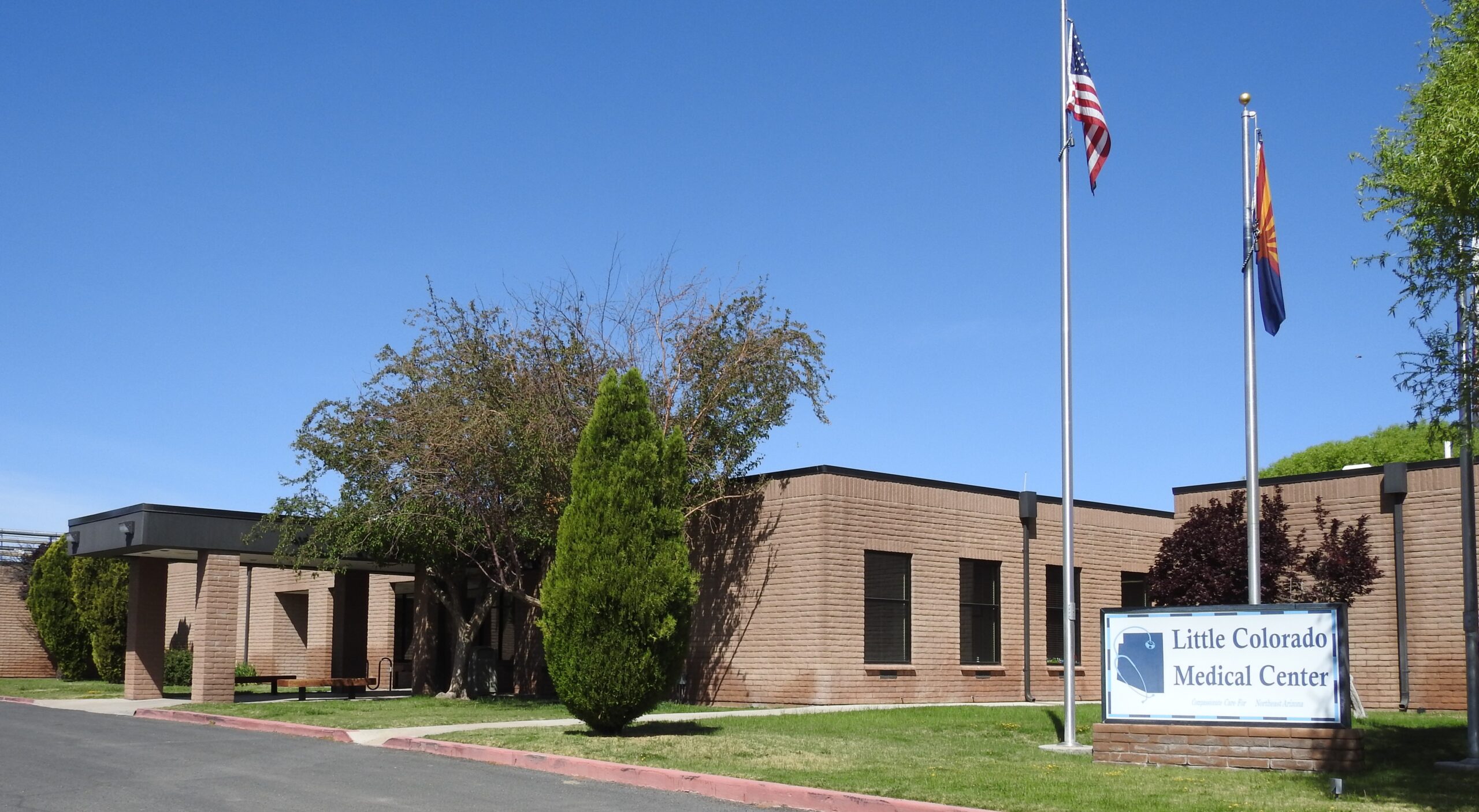
Little Colorado Medical Center (LCMC) is a 25-bed, not-for-profit Critical Access Hospital in Winslow, Arizona, about 50 miles east of Flagstaff. It's the primary source of inpatient and outpatient care for more than 32,000 residents across northeastern Arizona, working in close partnership with the Winslow Indian Healthcare Center and in affiliation with Flagstaff Medical Center. Between 70 and 75% of LCMC's patients come from the Navajo and Hopi Nations, a relationship CFO Lona King considers unmatched among Critical Access Hospitals in the state.
That patient mix, combined with a payer base weighted heavily toward Medicaid and Medicare, means reimbursement accuracy isn't an abstract finance concern at LCMC; it directly affects what services the hospital can afford to offer. So when the hospital's manual process for tracking Emergency Department provider time started falling apart under real-world pressure, the CFO's office went looking for a better way to automate its ED time studies.
Lona King spoke with us about what that manual process actually looked like, how a conversation with another hospital's CFO changed her mind about the investment, and what she'd tell any peer who's still on the fence.
What challenges was LCMC facing with its ED time studies before VersaBadge?
The hospital was relying on manual records kept by ward clerks, and the process broke down whenever the ED encountered a busy stretch.
"When our ED became very bogged down, when we had a lot of patients, they had a difficult time tracking it, so our data really was not accurate," King said. The hospital's EMR, Cerner, offered some data, but not at the level of detail CMS cost reporting required. That gap meant King's team had to rekey everything by hand.
"They would turn these into me, and I would actually key it all into an Excel document and calculate it that way," she said. "I spent hours and hours every month tracking this."
When King later interviewed the ward clerks who'd been maintaining the records, she found the underlying data was even less reliable than she'd assumed: clerks were typically rounding provider time to the nearest 15 or 30 minutes based on general impressions of patient need, rather than what had actually happened. "It just wasn't reliable information," she said.
How did LCMC decide to invest in an automated time study platform?
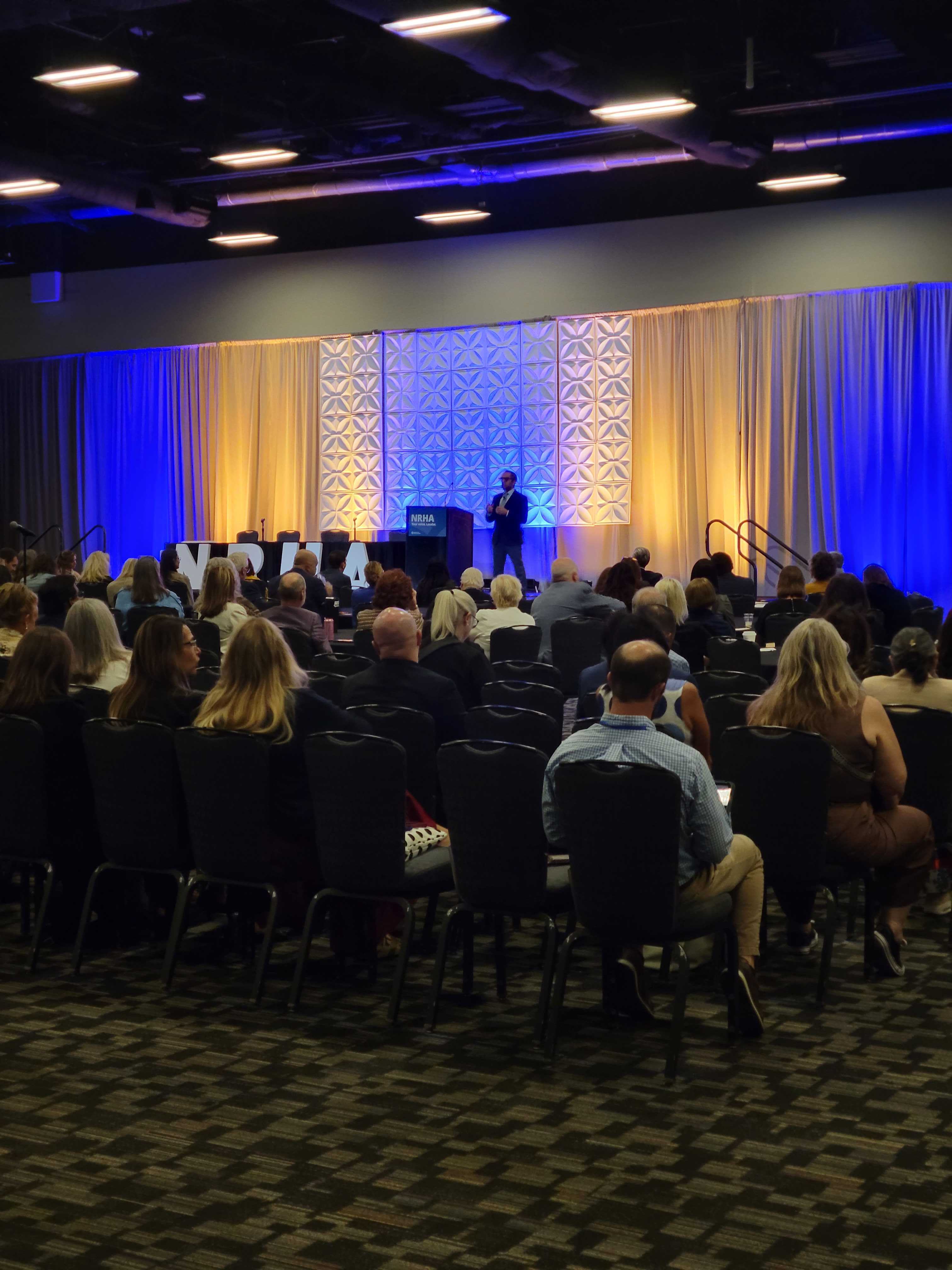
The decision followed a familiar path in rural healthcare: a peer recommendation carried more weight than a vendor pitch. King first heard about VersaBadge through a CFO program run through the National Rural Health Association (NRHA). A demo had been scheduled once before, but LCMC's CEO at the time pulled the plug — cost was the main hesitation, according to King.
It was a conversation with another hospital's CFO, Rochelle, that changed the calculus. After hearing about the impact VersaBadge had made at Rochelle's hospital — both on the data itself and on her day-to-day workload — King felt the case was clear. "I just felt like it was something we absolutely needed," she said. From there, she worked to get buy-in across the organization.
Looking back, King is direct about the earlier hesitation: "It really is not that costly, and with the savings that we have, we are way ahead… not to mention the time savings and just the efficiencies created from it."
What did the ROI case look like on paper, and did it hold up?
According to King, the return outpaced what LCMC had projected going in. "It far outweighed the cost," she said. "A massive improvement to the bottom line, on the amount of money that we're getting back from our cost report and the return that we're receiving."
The clearest evidence: "We've been able to get about $700,000 more back, and a lot of that is related to VersaBadge and having more accurate data," King said.
That accuracy has a second, less obvious payoff: it freed up staff who'd previously been maintaining a process that, by King's own account, wasn't producing usable data in the first place. "The ward clerks are able to focus on other things," she said. "We're not inundated with maintaining this paperwork that really wasn’t accurate to start."
What did implementation actually look like for a small hospital where everyone wears multiple hats?
For a Critical Access Hospital with a lean team, the operational lift of standing up new technology is often as much of a concern as the cost. King says that concern didn't materialize.
"It really was minimal effort," she said. "I know we had some IT involvement, but everyone at the hospital wears multiple hats, and we're all extremely busy — it was probably one of the most seamless implementations I've had in my career."
Her estimate of the time investment is a useful benchmark for other CFOs weighing the same decision: implementation took roughly as much staff time as one month of running the old manual spreadsheet process. "It was very minimal time," she said. "Aside from just having doctors wear their badges, everything has been amazing."
How has more reliable data changed decision-making at LCMC?
Beyond the cost report, King says the data has become a tool she uses in board meetings and broader operational planning. "Having correct information has helped us in identifying what our needs are," she said. LCMC has used the data to evaluate potential Emergency Department staffing groups — a decision that previously would have relied on estimates rather than a defensible record.
"It's helpful to have information that you know is valid," King said, "versus your best estimates."
LCMC hasn't yet expanded automated time studies beyond the ED, but King sees a clear case for it. "It's actually something that we've looked into, even branching out within the physician's clinic and other areas as well," she said. "We haven't taken that leap yet, but I definitely think there would be benefit in doing so."
What would you tell another Critical Access Hospital leader who's on the fence?
King's advice is unambiguous: "If you're on the fence, I would recommend that you proceed, move forward. You'll never regret it."
She points to the combination of time savings, more reliable data, and a new layer of accountability with physicians as the reasons she'd make the case to a peer. "I have been so grateful for the time savings it's created, the efficiencies in place, having the reliable data, and helping us hold certain physicians accountable as well," she said. "It's really provided us with knowledge and information that's been critical in decision-making processes."
The broader lesson for Critical Access Hospitals
LCMC's experience reflects a pattern common across rural healthcare: the technology decisions that stick aren't the ones chased for their own sake; they're the ones that solve a specific, painful operational problem, validated by someone a hospital leader already trusts. A peer's account of what changed at her own hospital carried more weight than a sales conversation ever could.
It's also a reminder of what manual, estimate-based processes actually cost, not just in staff hours, but in reimbursement dollars that are difficult to defend without a real record behind them. For Critical Access Hospitals operating on thin margins with high Medicaid and Medicare exposure, that gap between "our best estimate" and "data that holds up" can be the difference between deferring a service line and funding one.
Read the full Little Colorado Medical Center client success story for the complete results, or see how automated time studies work for Critical Access Hospitals like LCMC.
.png)